ByJohn A
Why Cryptocurrency Adoption Is Increasing Worldwide
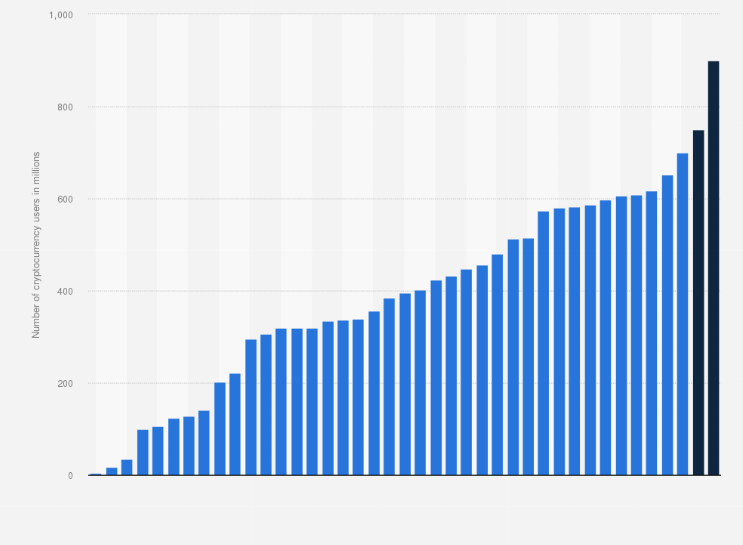
Cryptocurrency adoption is rising as economies seek resilience amid volatility and regulatory clarity. Users value faster cross-border payments, lower fees, and greater financial sovereignty, while institutions expand participation. Improved infrastructure—instant settlement, cheaper rails, easier on/off-ramps—reduces friction and retention barriers. Regional momentum from Europe to Asia, plus interoperable wallets and programmable finance, create inclusive access and scalable ecosystems. The question remains: which policy shifts and standards will sustain this trajectory?
What’s Driving Global Crypto Adoption Today
Despite ongoing volatility, global crypto adoption accelerates as users seek faster cross-border payments, lower fees, and greater financial sovereignty.
The primary drivers are economic resilience and regulatory clarity, which shape user confidence and institutional participation.
Market data shows rising wallets and merchant acceptance, while policy alignment reduces risk.
Outcome-focused trends indicate sustained growth, with transparent frameworks supporting scalable, interoperable, cross-border financial activity.
See also: zamtsophol
How Crypto Infrastructure Makes It Easier to Use
Crypto infrastructure underpins the user-facing improvements that make crypto easier to use, building from broader adoption trends toward practical, scalable solutions. Data show crypto wallets streamline on-ramp/off-ramp flows, reducing friction and increasing retention.
Payment rails enable near-instant settlement and lower costs, supporting merchant viability. The result is broader access, measurable usability gains, and clearer pathways to everyday, freedom-enhancing transactions.
Who’s Embracing Crypto Across Regions and Sectors
Global adoption is broadening across regions and sectors, driven by targeted use cases and policy-enabling infrastructure. Observers note institutional players in Europe and Asia expanding custody, corporate treasuries testing tokenized assets, and remittance firms leveraging blockchain for cost efficiency.
Global risk persists where compliance gaps remain, while decentralized finance shows traction in emerging markets, shaping inclusive, outcome-focused financial ecosystems.
What Trends and Policy Could Shape Wider Adoption
Policy and market signals point to a set of converging trends that could accelerate wider adoption: clearer regulatory sandboxes, interoperable standards, and scalable on-chain infrastructure.
Policy shifts and global trends suggest efficiency gains from retail wallets, broader payment rails, and digitized settlement.
Careful implementation aims to reduce friction, increase interoperability, and expand access without compromising security or consumer protection.
Conclusion
Global crypto adoption is rising as faster settlements, lower costs, and broader wallet access lower barriers to usage. Data show cross-border efficiency and institutional participation fueling growth, while interoperable standards and scalable rails enable mainstream acceptance. Overcoming skepticism about volatility, this trajectory imagines everyday merchants receiving instant payments and individuals leveraging programmable money for savings and remittances, illustrating a tangible shift: digital assets becoming frictionless, widely usable financial rails rather than abstract tech.